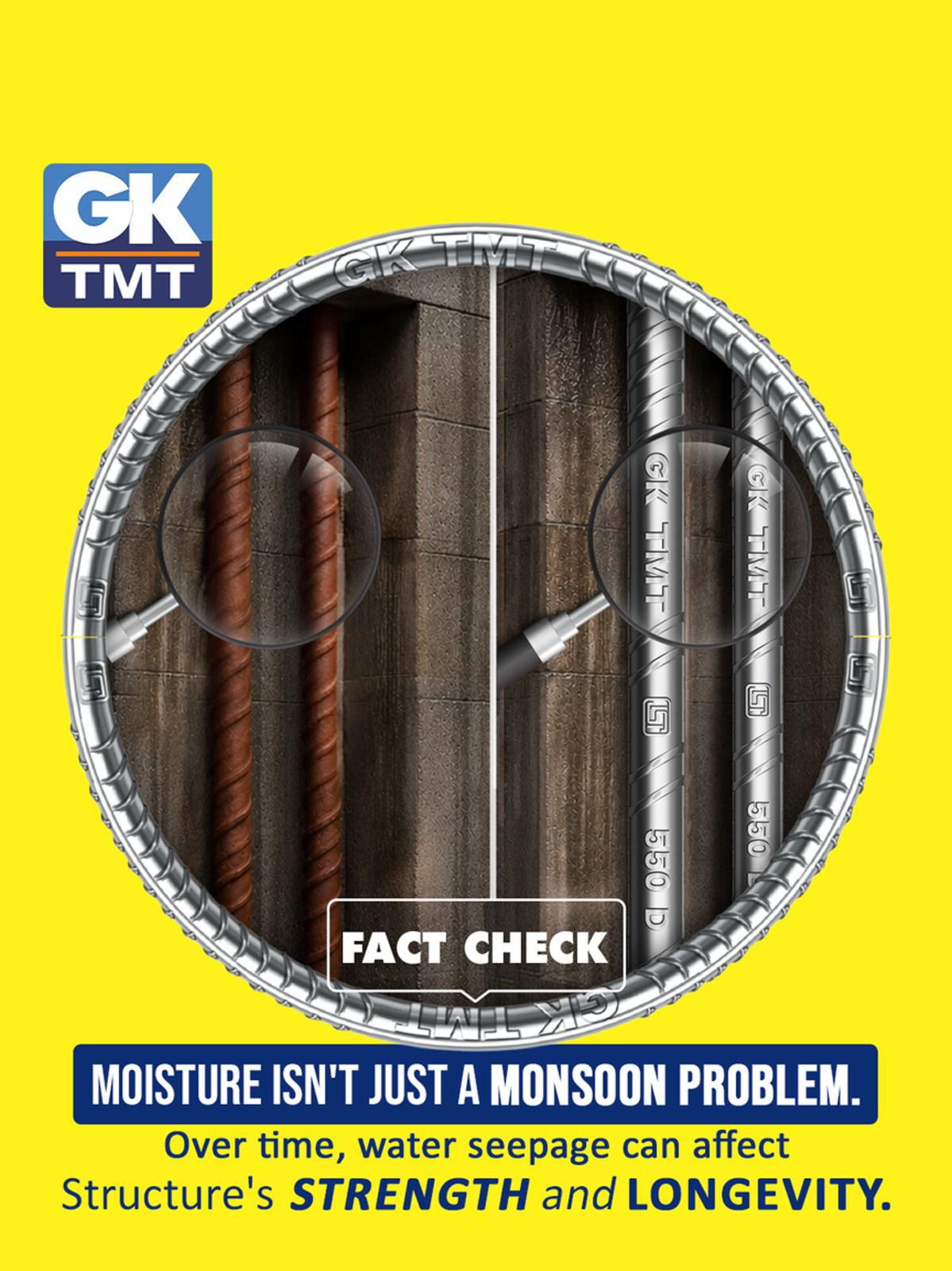

Reliability in construction-grade steel is defined by the integrity of the production process. A manufacturer is considered reliable when they utilize an integrated plant—where iron ore is processed into finished steel in a single, controlled site. Unlike scrap-based mills that struggle with chemical impurities, integrated facilities maintain consistent carbon, sulfur, and phosphorus levels. For procurement teams, selecting a top-tier TMT manufacturer that adheres to NABL-accredited quality testing is the only way to ensure the structural safety of a project.
Defining Reliability in Steel Manufacturing
In engineering, "reliability" is a data-driven standard rather than a marketing claim. Reliable TMT bars are characterized by three technical markers:
Reliable steel must exceed the minimum requirements of the IS 1786:2008 standard. This creates a "factor of safety" that protects structural integrity under high-stress conditions.
|
|
|
|
|
|
|
|
|
|
|
|
|
|
|
|
|
|
|
|
|
|
|
|
|
|
|
|
|
|
|
|
|
|
|
|
|
|
|
|
Consistency in sectional weight is a hallmark of precision rolling. When a manufacturer maintains a stable weight range, it ensures cost-efficiency for the developer, as it prevents "dead weight" in the structural design.
|
|
|
|
|
|
|
|
|
|
|
|
|
|
|
|
|
|
|
|
|
|
|
|
|
|
|
|
|
|
|
|
|
|
|
|
|
|
|
|
|
|
|
|
|
Q: Why is integrated production crucial for my business?
A: Integrated plants convert raw iron ore directly into steel. This process produces cleaner, more uniform bars that reduce customer complaints regarding brittleness or uneven rib patterns, ultimately building your reputation as a reliable local supplier.
Q: How does GK TMT help me remain competitive?
A: Our precision bundling offers consistent piece counts and standard weights, which minimizes billing disputes and ensures that your inventory adheres to the exact specifications required by structural engineers and government tenders.
Q: How do I verify product quality for my customers?
A: We provide NABL-accredited Mill Test Certificates (MTC) for every batch. These documents confirm that our chemical and mechanical properties meet or exceed IS 1786:2008, making our products fully compliant for high-stakes infrastructure projects.
Ready to partner with a trusted steel manufacturer?
See how integrated steelmaking standards impact site performance: GK TMT Distributor Insight
Co-authored by GK TMT, Real Group